Microbiology & Immunology platform focus on the microbiology & immunobiology issues to support the theoretical and methodological research on key pathogenic microorganisms and their pathogenesis and immune mechanisms, and to develop the bio-products (diagnosis reagents, vaccine, adjuvants, therapeutic drug and others) to control infectious diseases. The integrated M & I analysis platform will be constructed to support the life science research and to service the human health in the future.

Research fields:
1.Infection immunity: Structural and functions of viral genomes;Pathogenesis, innate immunity and immune evasion mechanisms of viral infections.

2.Microbial biology in human, animal, food, water and stress environments by epigenetics, comparative genomics and bioinformatics.

3.Regulation and adaptive evolution of key innate immune system during in different biological evolution. Enzymology of immune cells in viral infection and inflammation.

4.Sensing of MAMPs from bacteria, fungi, and viruses or DAMPs by immune PRRs and their compartments. Immune regulation roles of natural adjuvants (microbiota, natural components of commensal lactic acid bacteria, plants) or synthetic agonists on innate immunity.

5.Enzymology of immune cells in viral infection and inflammation. General scheme for the enrichment of microbial cells or biomarkers with affinity probes showed as following figure.



The research in the Bureik group encompasses two primary areas:
1) The study of human drug metabolizing enzymes and their use for organic synthesis.
A major goal in this project involves systematic testing of all variants of drug metabolizing cytochrome P450 enzymes (CYPs or P450s) and UDP glycosyltransferases (UGTs) identified in Chinese patients. This is expected to aid doctors in choosing the correct dosage for patients.
2) Investigation of human CYP4Z1 and exploitation of its activity for the treatment of breast cancer.
In this project, we have successfully identified CYP4Z1 to catalyze fatty acid in-chain hydroxylase and also ether cleavage. A primary aim is to search for compounds that can act as CYP4Z1-activated prodrugs and have potential for treatment of breast cancer.
Recently published work:
In cooperation with the group of Prof. Gerhard Wolber (Free University Berlin, Germany) we recently published a homology model of a UGT1A5 variant (UGT1A5*8) which shows that the cofactor UDP-GA is placed in a much more favorable geometry in UGT1A5*8 as compared to the wild-type, thus explaining its increased catalytical activity (Yang et al., 2018):
(A) Structural homology model for UGT1A5*8 with bound cofactor Uridine-diphosphoglucoronic acid (UDP-GA). The secondary structure ribbon is shown in grey. Helix Q is highlighted in blue. The cofactor (colored turquois) is situated in the catalytic cleft between the N-terminal (left) and C-terminal (right) domains. (B) Superposition of C-terminal domains of the UGT2B7 crystal structure (yellow) and UGT1A5*8 homology model (grey) with a root-mean square root of 2. 1 Å. (C) Cofactor protein interaction diagram for UGT1A5 and UDP-GA. The glucuronic acid moiety of UDP-GA is hold in place by electrostatic interaction with Arg174 and hydrogen bonding to Ser376 and Asp397. The uridine-diphosphate moiety forms hydrogen bonds to Ser307, Leu308, His373, His377 and Gly378. Blue double-headed arrow represents electrostatic interaction. Red arrows represent hydrogen bond acceptance and green arrow hydrogen bond donation.

Research in the Clark group focuses on microbial natural products as applied to drug discovery, metabolomics, and chemical ecology. Microbes have long been a source of potent antimicrobial and anticancer agents, and we have a particular interest in marine and extremophilic microbes as a source of new drug leads. We also investigate chemical ecology: what role the metabolites serve for the microbe itself, and how are they involved in the interaction of microbes with other organisms. The group uses molecular networking and multivariate statistical techniques in all of these research avenues in order to classify samples, identify active components, and elucidate the interactions of molecules and organisms. While microbes are the primary focus of the group we also have experience working with plants and marine organisms, if there are particularly interesting ecological questions to be addressed in these areas.
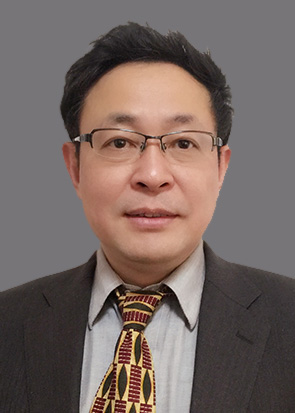
The research of the Gao group covers medicinal chemistry and molecular targeting, synthetic chemistry and organo catalysis, and computer-aided drug design, aimed at the discovery of functional drug delivery carriers and understanding mechanisms of molecular targeting. Specific areas include a) strategies for development of small molecular anti-cancer drugs for targeted therapy, b) design and development of actively transportable small molecule drugs or protein-drug conjugates, c) discovery and development of novel drug-delivery carriers and pharmaceutics based on supramolecular chemistry, d) computer aided molecular design and modeling for innovative drug discovery and mechanistic study of drug transporters.
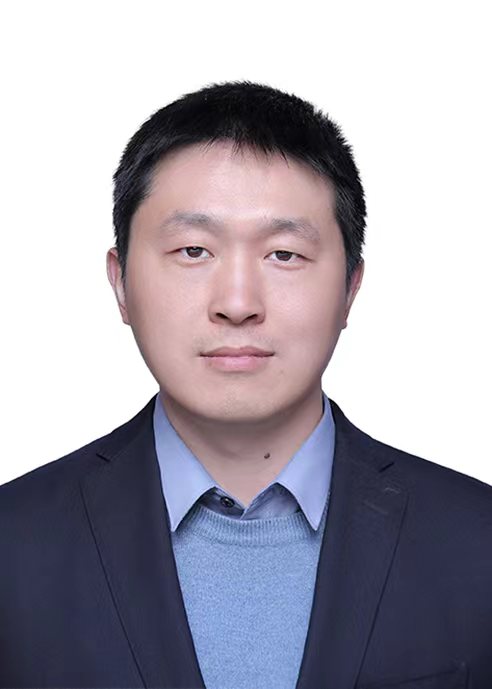
Identification and characterization of new enzymes and new metabolic pathways in nature using a combination of bioinformatics, genetic, biochemical and biophysical methods.
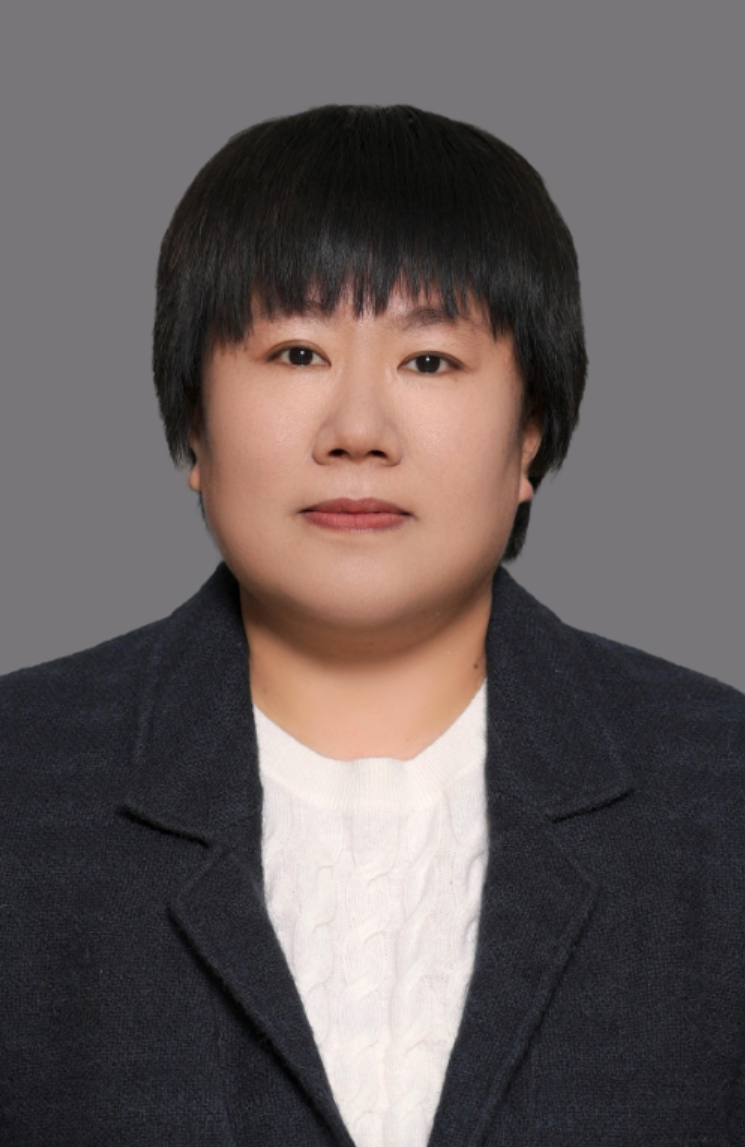
1998年-2001年在天津泌尿外科研究所畅继武教授课题组所做的课题为肿瘤热休克蛋白90-肽复合物的提取纯化,并用该复合物诱导T细胞转化为特异性细胞毒性T淋巴细胞,为肿瘤的生物治疗进行基础研究。2001年继续以肿瘤特异性CTL为核心以树突状细胞转化特异性CTL为方法,进行治疗肿瘤的基础及临床应用的研究,该研究获得天津市科学技术进步奖二等奖。
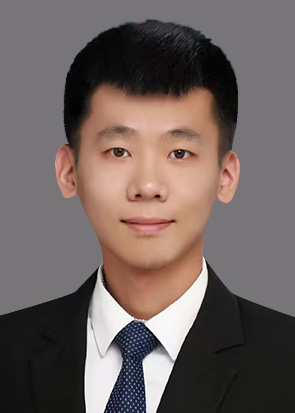
Paramagnetic NMR, Pseudocontact Shifts, MS Spectrometry.
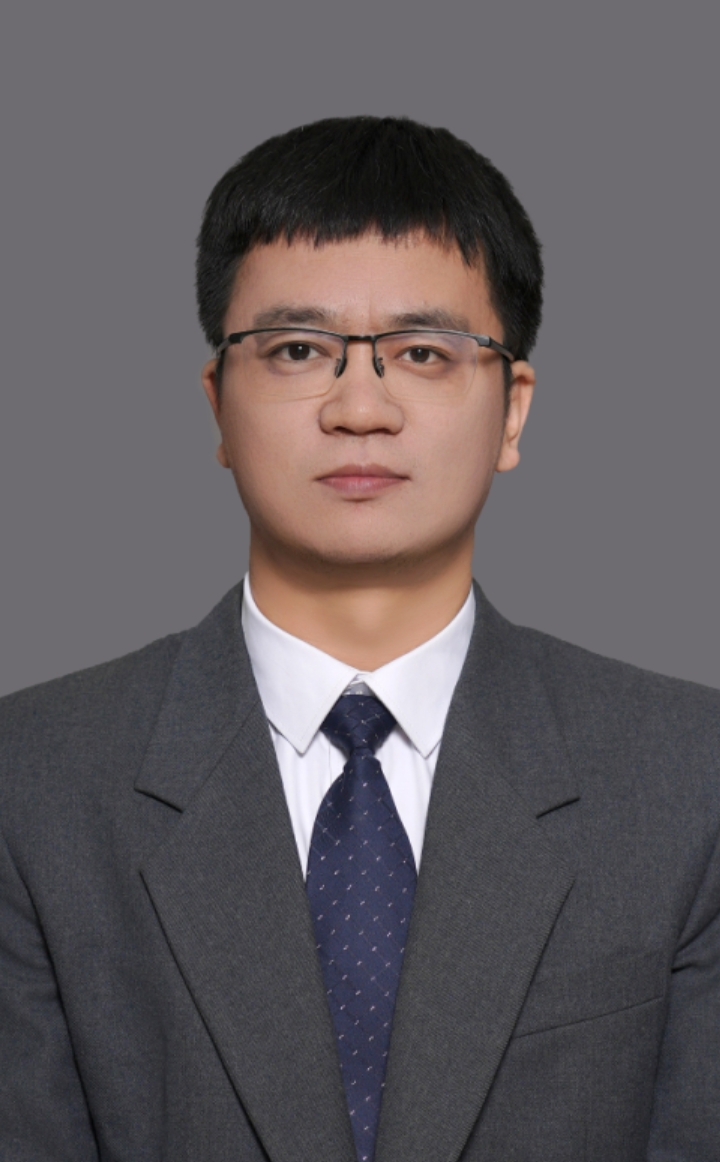
Our laboratory is interested in the cellular innate immune events that sense viral infection and inhibit viral replication.
We are particularly focusing on the following two aspects: (1) endogenous suppressors that modulate innate immune signaling, and (2) molecular mechanism of autoimmune disorders caused by aberrant immune responses.
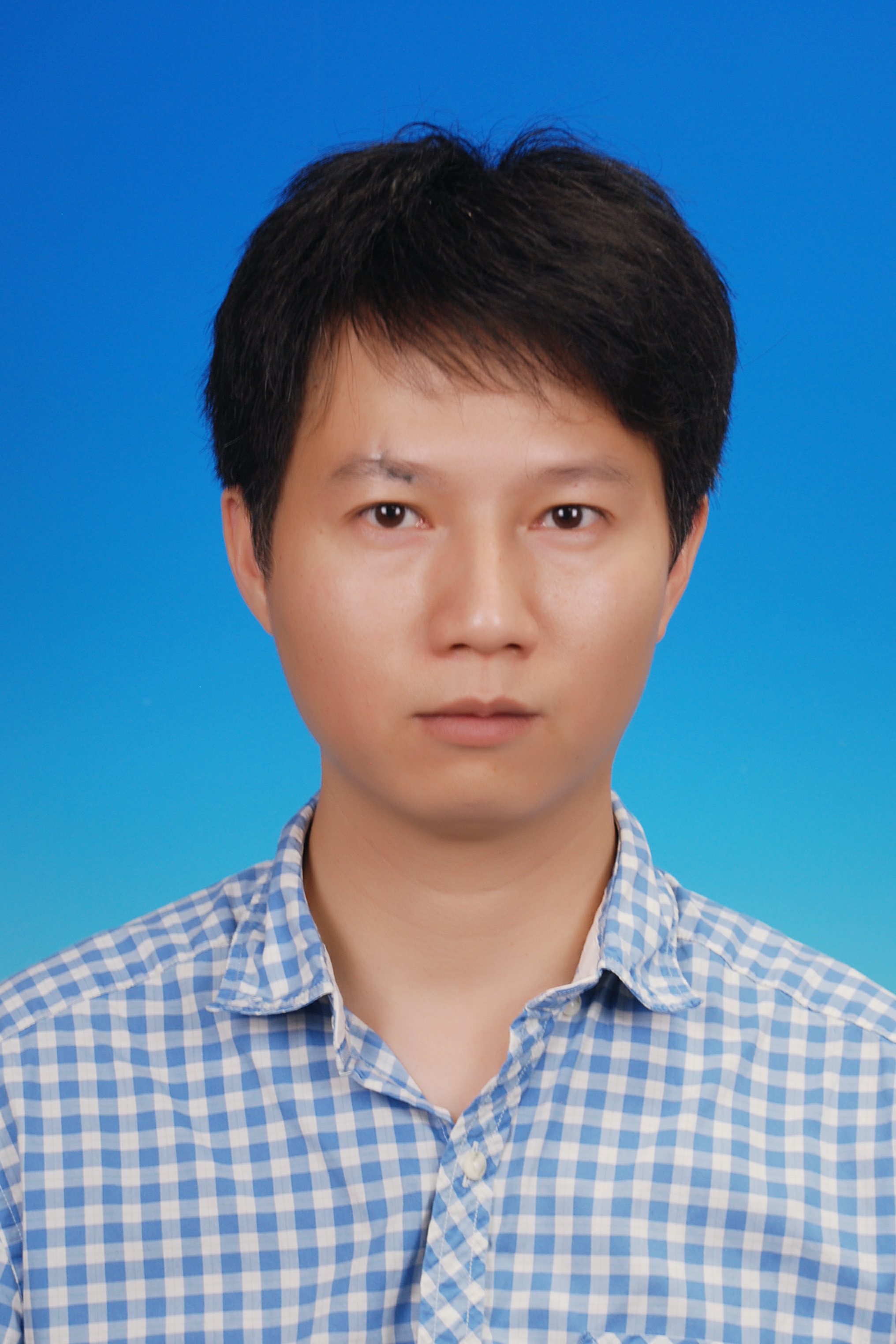
The Zhang lab identifies and characterizes new enzymes and new metabolic pathways in nature using a combination of bioinformatics, genetic, biochemical and biophysical methods. In particular, the Zhang lab has a long term interest in metal trafficking, metalloenzymes. and their catalytic mechanisms. Other projects in the Zhang lab include synthetic biology, and immuno-based human disease diagnosis.
For more information about the Zhang Lab, please visit

Expression and regulation of important enzymes in some metabolic pathways in microorganisms.

研究方向为药理毒理学,主持国自然面上项目、973计划子课题、天津市科委项目等,近5年作为唯一通讯或最后主通讯以天津大学为第一单位在《Pharmacological Reviews》杂志(IF:18,年均发文量28篇)、《Hepatology》(IF:15, 2篇)、《Nature Communications》(IF:14)、《Journal of Experimental and Clinical Cancer Research》(IF:12)等领域内顶刊发表多篇SCI论文。担任美国毒理学会官方杂志《Toxicological Sciences》副主编、美国生物化学和分子生物学会杂志《Journal of Lipid Research》编委、国内杂志《Medicine Advances》编委等。
Microbiology & Immunology platform focus on the microbiology & immunobiology issues to support the theoretical and methodological research on key pathogenic microorganisms and their pathogenesis and immune mechanisms, and to develop the bio-products (diagnosis reagents, vaccine, adjuvants, therapeutic drug and others) to control infectious diseases. The integrated M & I analysis platform will be constructed to support the life science research and to service the human health in the future.
Research fields:
1.Infection immunity: Structural and functions of viral genomes;Pathogenesis, innate immunity and immune evasion mechanisms of viral infections.
2.Microbial biology in human, animal, food, water and stress environments by epigenetics, comparative genomics and bioinformatics.
3.Regulation and adaptive evolution of key innate immune system during in different biological evolution. Enzymology of immune cells in viral infection and inflammation.
4.Sensing of MAMPs from bacteria, fungi, and viruses or DAMPs by immune PRRs and their compartments. Immune regulation roles of natural adjuvants (microbiota, natural components of commensal lactic acid bacteria, plants) or synthetic agonists on innate immunity.
5.Enzymology of immune cells in viral infection and inflammation. General scheme for the enrichment of microbial cells or biomarkers with affinity probes showed as following figure.
The research in the Bureik group encompasses two primary areas:
1) The study of human drug metabolizing enzymes and their use for organic synthesis.
A major goal in this project involves systematic testing of all variants of drug metabolizing cytochrome P450 enzymes (CYPs or P450s) and UDP glycosyltransferases (UGTs) identified in Chinese patients. This is expected to aid doctors in choosing the correct dosage for patients.
2) Investigation of human CYP4Z1 and exploitation of its activity for the treatment of breast cancer.
In this project, we have successfully identified CYP4Z1 to catalyze fatty acid in-chain hydroxylase and also ether cleavage. A primary aim is to search for compounds that can act as CYP4Z1-activated prodrugs and have potential for treatment of breast cancer.
Recently published work:
In cooperation with the group of Prof. Gerhard Wolber (Free University Berlin, Germany) we recently published a homology model of a UGT1A5 variant (UGT1A5*8) which shows that the cofactor UDP-GA is placed in a much more favorable geometry in UGT1A5*8 as compared to the wild-type, thus explaining its increased catalytical activity (Yang et al., 2018):
(A) Structural homology model for UGT1A5*8 with bound cofactor Uridine-diphosphoglucoronic acid (UDP-GA). The secondary structure ribbon is shown in grey. Helix Q is highlighted in blue. The cofactor (colored turquois) is situated in the catalytic cleft between the N-terminal (left) and C-terminal (right) domains. (B) Superposition of C-terminal domains of the UGT2B7 crystal structure (yellow) and UGT1A5*8 homology model (grey) with a root-mean square root of 2. 1 Å. (C) Cofactor protein interaction diagram for UGT1A5 and UDP-GA. The glucuronic acid moiety of UDP-GA is hold in place by electrostatic interaction with Arg174 and hydrogen bonding to Ser376 and Asp397. The uridine-diphosphate moiety forms hydrogen bonds to Ser307, Leu308, His373, His377 and Gly378. Blue double-headed arrow represents electrostatic interaction. Red arrows represent hydrogen bond acceptance and green arrow hydrogen bond donation.
Research in the Clark group focuses on microbial natural products as applied to drug discovery, metabolomics, and chemical ecology. Microbes have long been a source of potent antimicrobial and anticancer agents, and we have a particular interest in marine and extremophilic microbes as a source of new drug leads. We also investigate chemical ecology: what role the metabolites serve for the microbe itself, and how are they involved in the interaction of microbes with other organisms. The group uses molecular networking and multivariate statistical techniques in all of these research avenues in order to classify samples, identify active components, and elucidate the interactions of molecules and organisms. While microbes are the primary focus of the group we also have experience working with plants and marine organisms, if there are particularly interesting ecological questions to be addressed in these areas.
The research of the Gao group covers medicinal chemistry and molecular targeting, synthetic chemistry and organo catalysis, and computer-aided drug design, aimed at the discovery of functional drug delivery carriers and understanding mechanisms of molecular targeting. Specific areas include a) strategies for development of small molecular anti-cancer drugs for targeted therapy, b) design and development of actively transportable small molecule drugs or protein-drug conjugates, c) discovery and development of novel drug-delivery carriers and pharmaceutics based on supramolecular chemistry, d) computer aided molecular design and modeling for innovative drug discovery and mechanistic study of drug transporters.
Identification and characterization of new enzymes and new metabolic pathways in nature using a combination of bioinformatics, genetic, biochemical and biophysical methods.
1998年-2001年在天津泌尿外科研究所畅继武教授课题组所做的课题为肿瘤热休克蛋白90-肽复合物的提取纯化,并用该复合物诱导T细胞转化为特异性细胞毒性T淋巴细胞,为肿瘤的生物治疗进行基础研究。2001年继续以肿瘤特异性CTL为核心以树突状细胞转化特异性CTL为方法,进行治疗肿瘤的基础及临床应用的研究,该研究获得天津市科学技术进步奖二等奖。
Paramagnetic NMR, Pseudocontact Shifts, MS Spectrometry.
Our laboratory is interested in the cellular innate immune events that sense viral infection and inhibit viral replication.
We are particularly focusing on the following two aspects: (1) endogenous suppressors that modulate innate immune signaling, and (2) molecular mechanism of autoimmune disorders caused by aberrant immune responses.
The Zhang lab identifies and characterizes new enzymes and new metabolic pathways in nature using a combination of bioinformatics, genetic, biochemical and biophysical methods. In particular, the Zhang lab has a long term interest in metal trafficking, metalloenzymes. and their catalytic mechanisms. Other projects in the Zhang lab include synthetic biology, and immuno-based human disease diagnosis.
For more information about the Zhang Lab, please visit
Expression and regulation of important enzymes in some metabolic pathways in microorganisms.
研究方向为药理毒理学,主持国自然面上项目、973计划子课题、天津市科委项目等,近5年作为唯一通讯或最后主通讯以天津大学为第一单位在《Pharmacological Reviews》杂志(IF:18,年均发文量28篇)、《Hepatology》(IF:15, 2篇)、《Nature Communications》(IF:14)、《Journal of Experimental and Clinical Cancer Research》(IF:12)等领域内顶刊发表多篇SCI论文。担任美国毒理学会官方杂志《Toxicological Sciences》副主编、美国生物化学和分子生物学会杂志《Journal of Lipid Research》编委、国内杂志《Medicine Advances》编委等。

